Darwin Concrete Overlay Contractors
Call 08 7943 6030Concrete Overlay in Darwin
A concrete overlay in Darwin is an affordable way to give worn or damaged concrete a completely new look. We apply concrete overlays in Darwin to driveways, patios, walkways, pool surrounds and interior floors, creating stylish finishes such as stamped, stencilled, textured and coloured designs. Overlays bond to the existing slab, avoiding the cost of demolition.
Our crew prepares each surface thoroughly, repairs cracks and applies the overlay evenly for a smooth, long-lasting result. We seal the finished surface to protect it from stains, UV and moisture. Whether you want to hide old blemishes or change the whole appearance of your outdoor area, an overlay delivers impressive value. Contact us today for a free quote on a concrete overlay in Darwin.
Our Concrete Overlay Work Around Darwin
Driveway Overlays
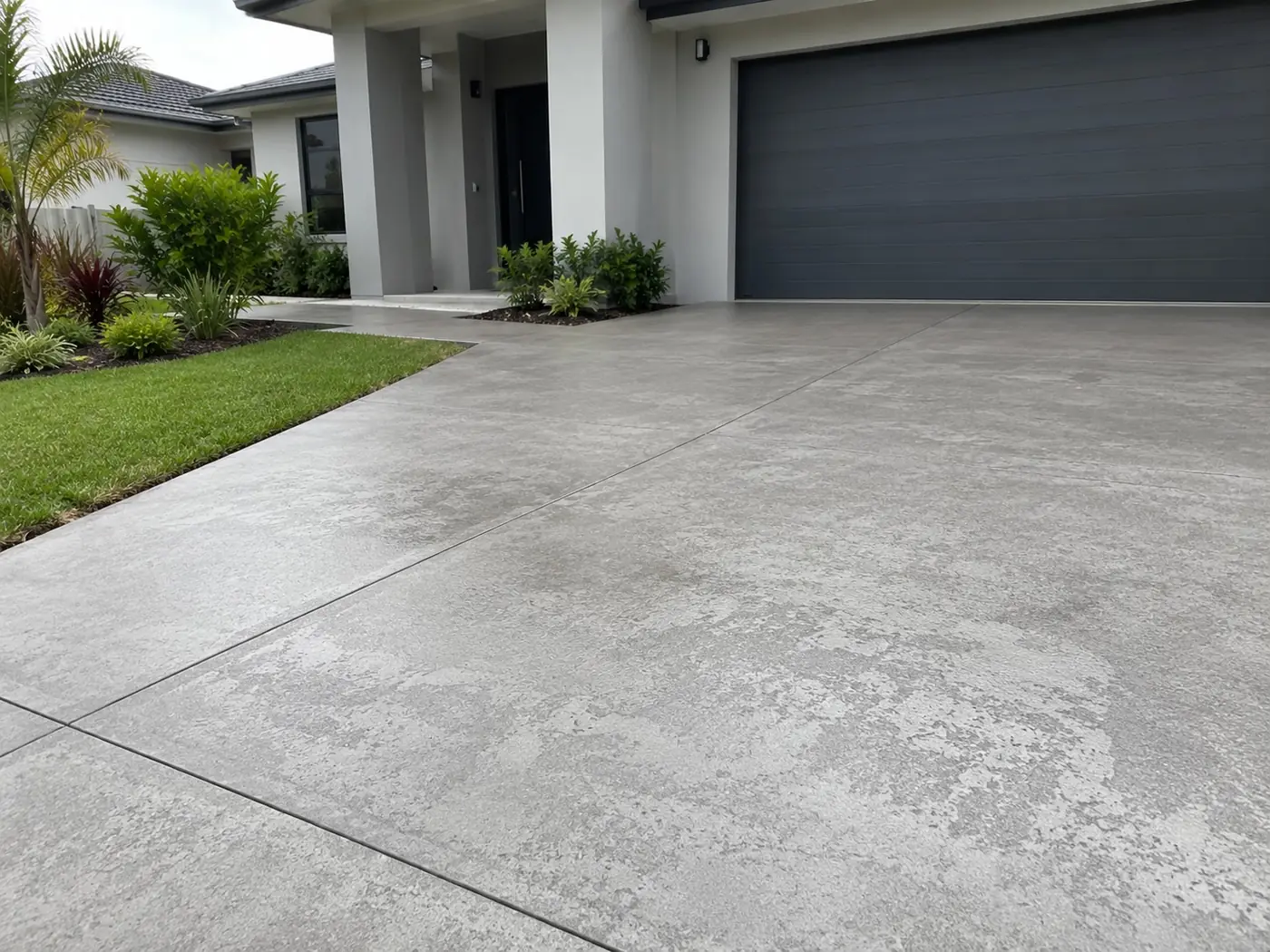
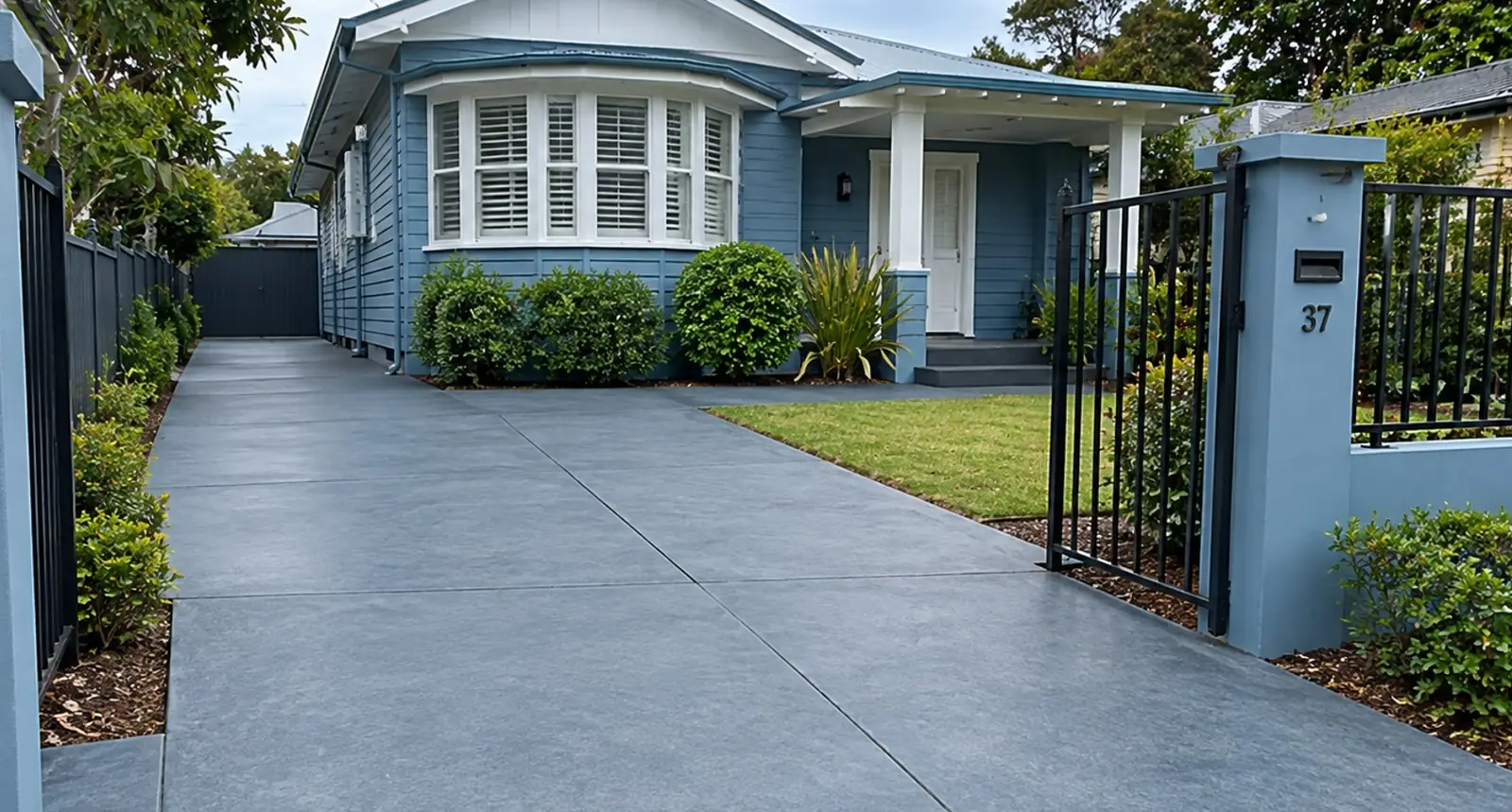
Is your driveway faded, stained and plain grey? We can give it a new colour and texture without jackhammers or skip bins. We cover the full area in one go, including the crossover where it is part of your job, so the front of your home looks like one finished surface.
Knockdown Spray Finishes
We spray a cement-based coat onto patios, carports and pool surrounds, then lightly trowel it into a knockdown texture. The raised finish gives bare feet more grip, and if you pick a pale tone it stays noticeably cooler in the fierce Top End sun.
Stencilled Paver Patterns
Want the look of tiles, bricks or cobbles without laying pavers? We place paper stencils over a fresh coat, and the stencil forms the grout lines for you. It is a popular way to lift the entry or alfresco area of an older home without a big spend.
Stamped Stone and Timber Effects
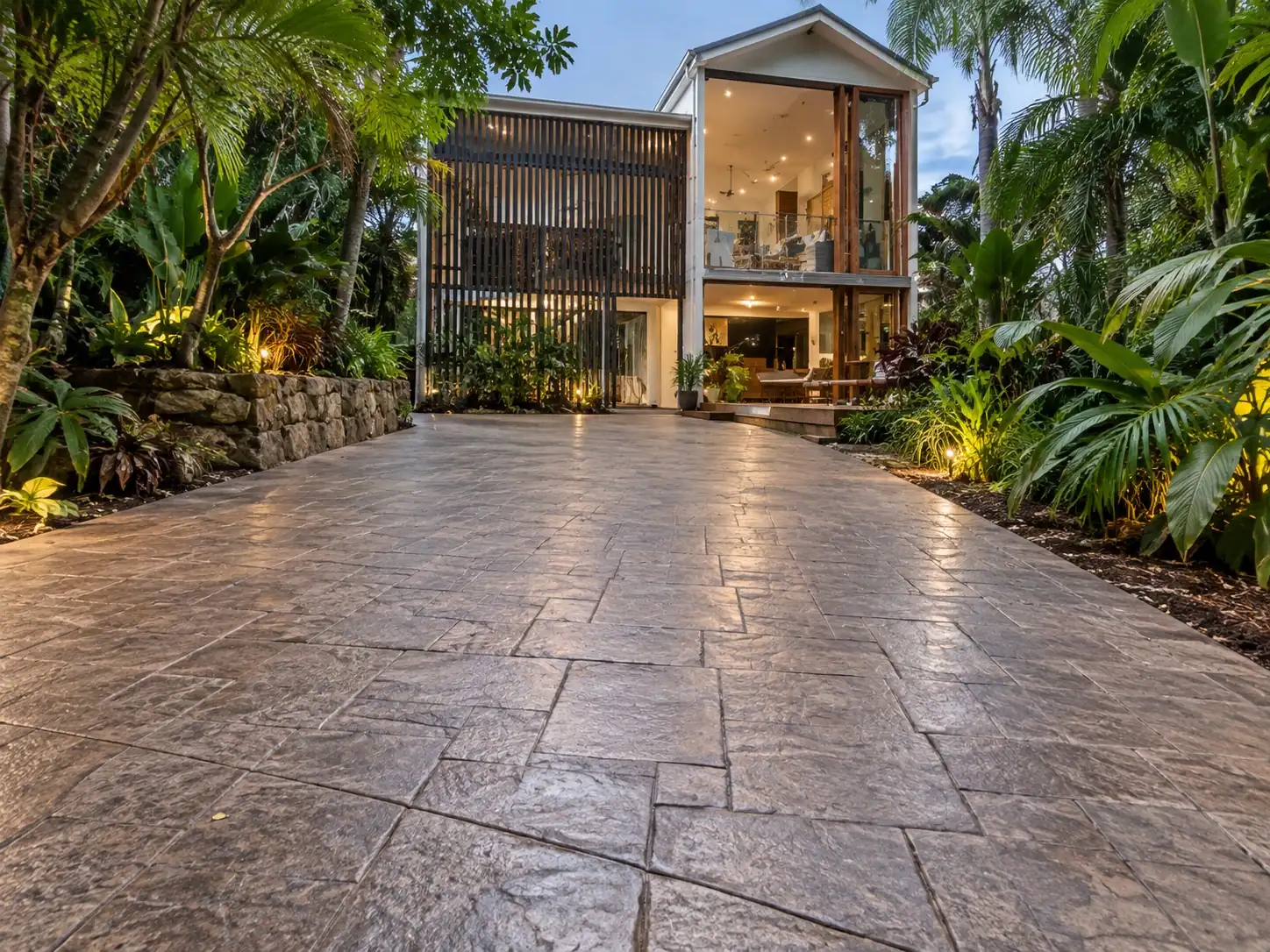
A thicker overlay can be pressed with textured mats to look like sandstone, slate, cobbles or timber boards. Colour hardener and a tinted release powder add depth, so it reads like the real thing while staying one solid surface with no gaps for weeds to sprout.
Microcement Inside the Home
Microcement is trowelled on in thin coats over your existing concrete or tiles, on floors, stairs, bathroom walls and even benchtops. You get a smooth, modern, seamless finish with no grout lines to collect grime in our humid weather, ideal for open-plan homes and cafes.
Garage and Carport Makeovers
Oil-stained, dusty garage and carport floors can be resurfaced with a tough topping or decorative flake finish. You will find it easier to sweep and hose, it resists tyre marks better than bare concrete, and it turns the space into a spot you will want to use as a gym or workshop.
Getting Your Concrete Overlay Started in Darwin: Three Simple Steps
Before you spend money tearing out an old slab, ask us whether an overlay could do the job. We can usually give you an answer quickly, and it starts with one of these easy steps.
- Snap the problem spots: Close-up photos of cracks, flaking areas or old coatings help us judge whether your slab is solid enough for a new layer to bond.
- See the finishes in person: We can bring stamped, stencilled, coloured and smooth samples so you can hold them against your walls, roof and garden.
- Send us a quick enquiry: Use the form on this page to tell us the rough size and what the surface is now, and we will set a time to come and look.
An overlay only lasts if the slab underneath is cleaned, repaired and primed properly, so that is where we put our effort. We also use coatings that stand up to the harsh sun on open driveways and patios. Drop us a line for a free quote and find out if your concrete is a good fit.
Why Darwin Homeowners Choose Us for Overlays
The Right System For Your Slab
Micro-toppings, stamped overlays and self-levellers each do different jobs. We look at the condition, thickness and daily use of your concrete first, then recommend what suits it, instead of pushing the same product on everyone.
Thorough Surface Preparation
New material can only bond to a surface that has been properly opened up. We diamond grind or profile your slab back to clean, porous concrete and never rush this step, because it is the one most often skimped on.
Doors, Steps And Falls Checked
Even a few extra millimetres can catch a sliding door, change a step height or send rainwater the wrong way. We measure clearances and drainage falls before we start, so your new surface sits neatly against everything around it.
Moving Cracks Fixed First
If a crack is still opening, it will show straight through a thin overlay. We work out which cracks are active, whether from soft ground or a base washed out by wet-season rain, and repair or joint them before the topping goes on.
Upfront About What Overlays Cannot Do
An overlay changes the look, not the structure. If your slab has sunk, the base is failing or cracks run right through, it needs a different fix. When replacing the concrete is the better option, we will tell you.
Sealer Chosen For Your Conditions
A shady side path, a sun-baked driveway and a patio near the harbour all need something different from a sealer. We choose one that suits, apply it when the weather allows it to cure and show you how to keep mould and UV fade under control.
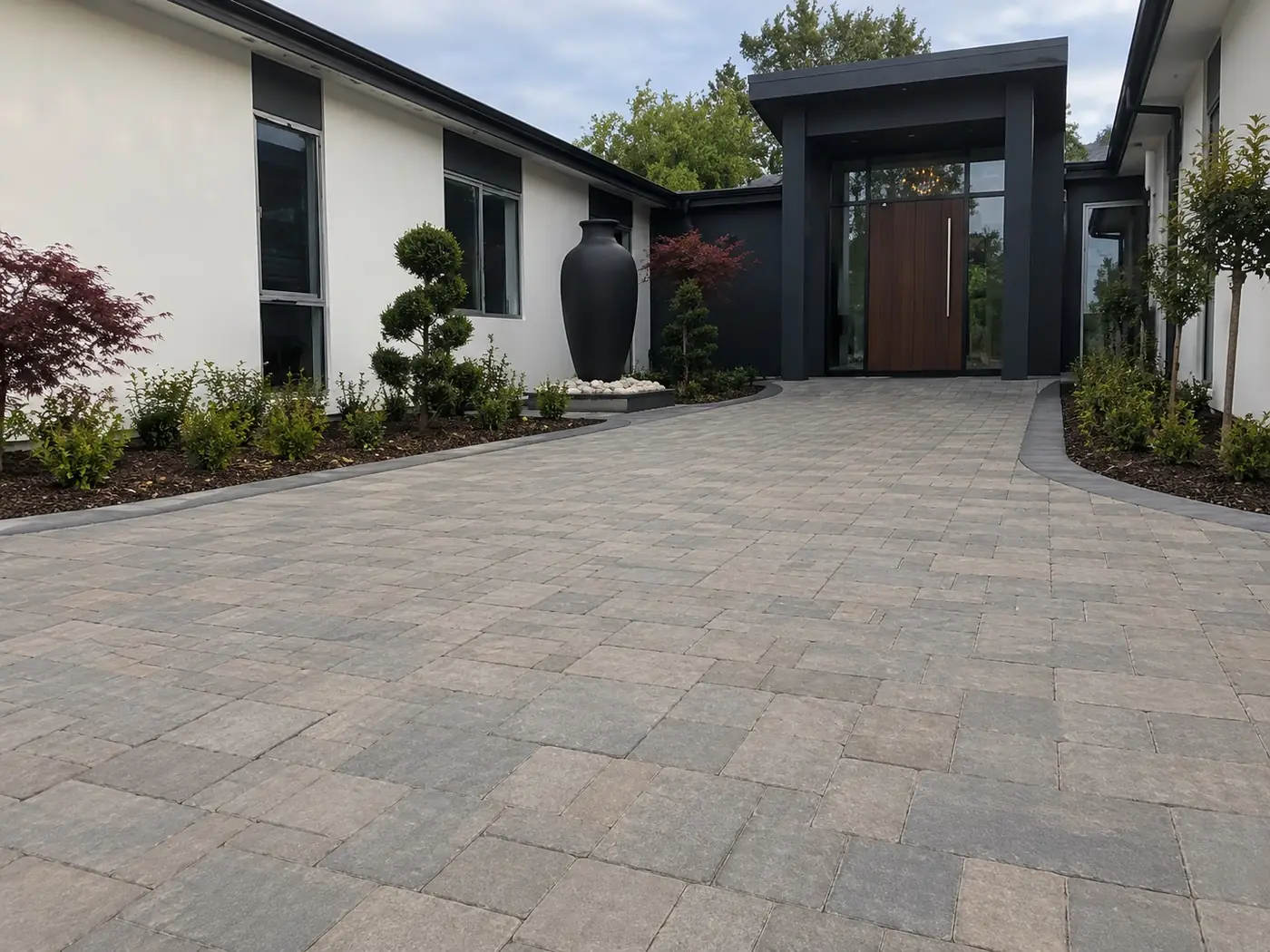
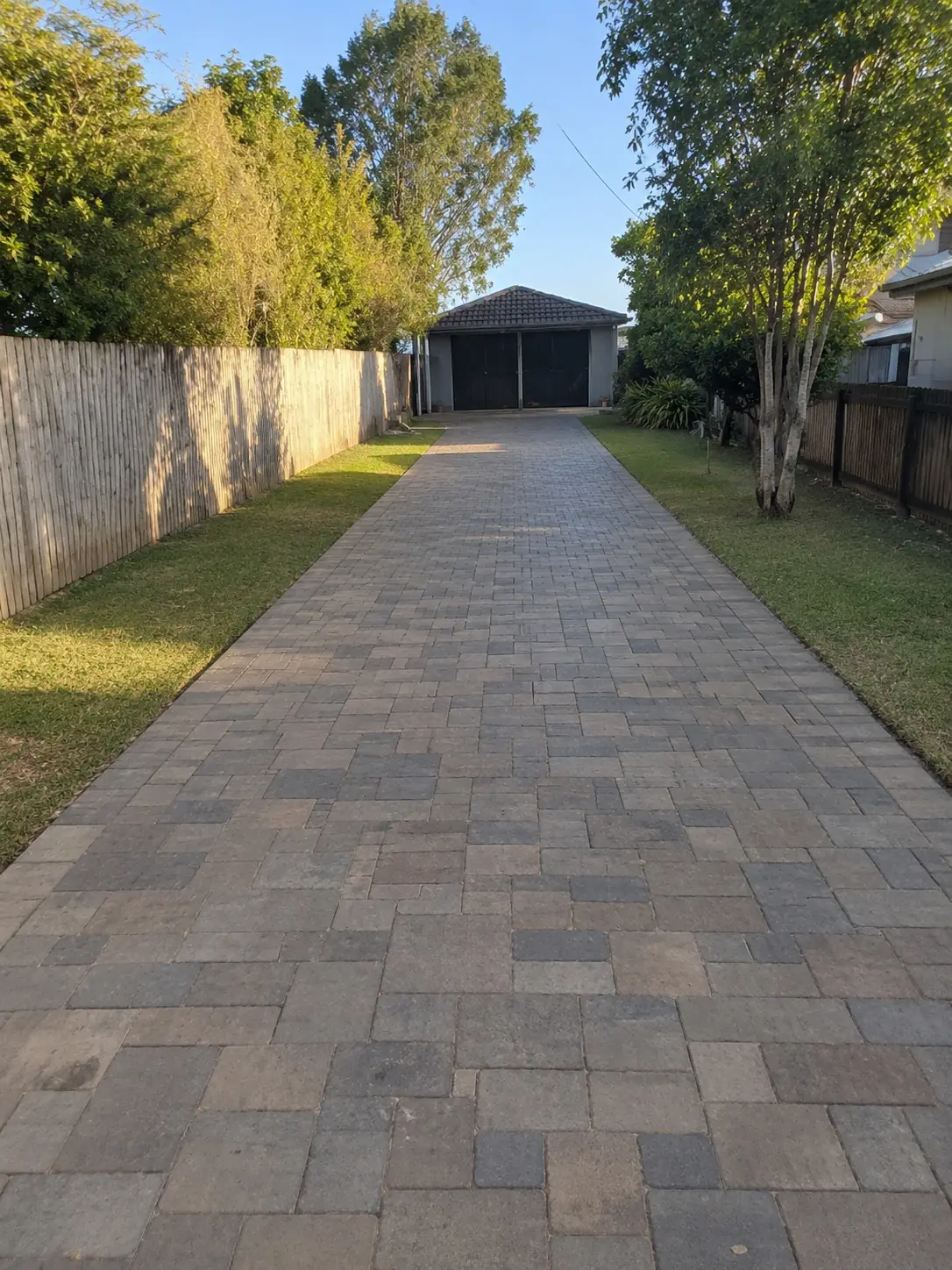
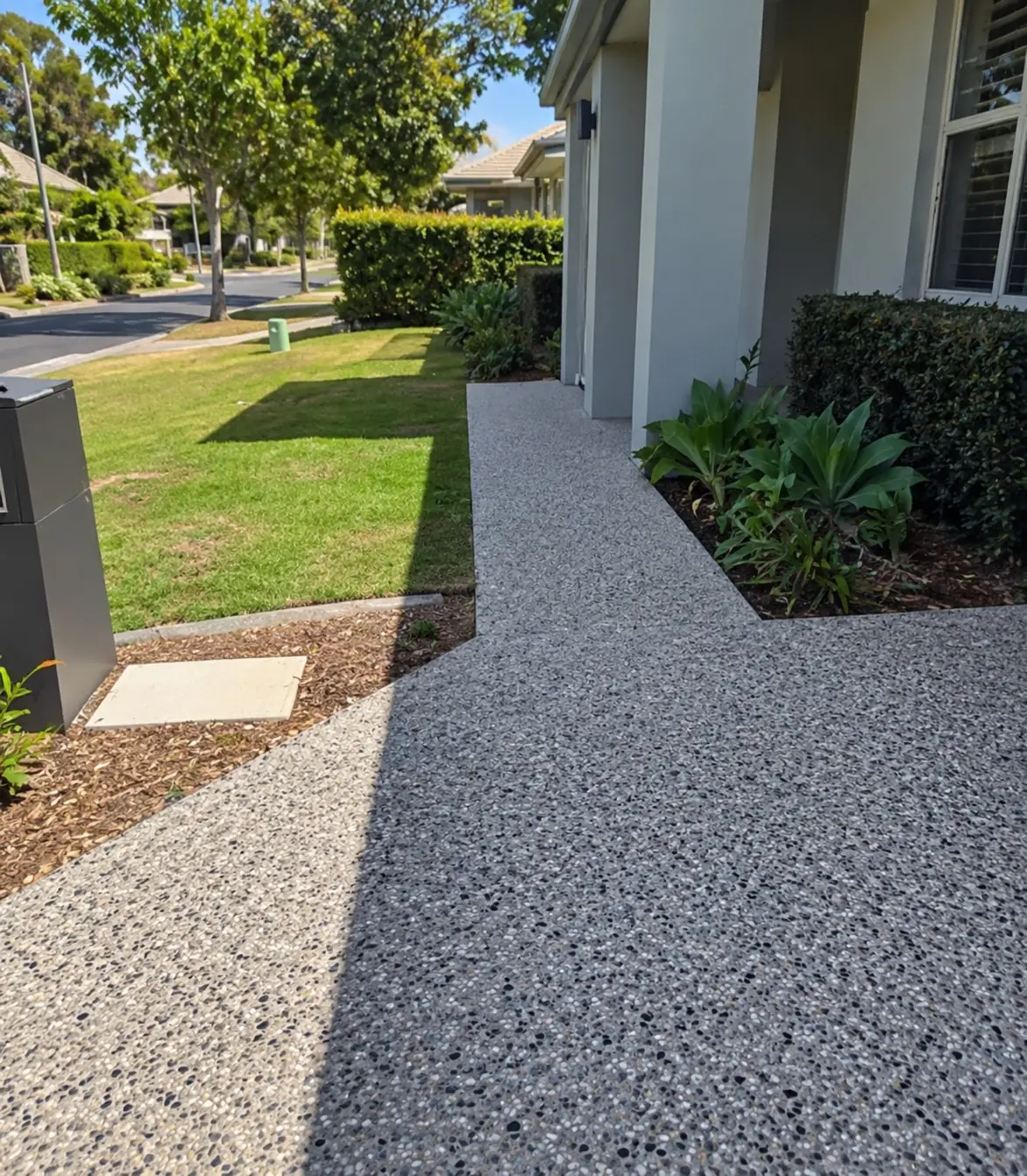
Recent Concrete Jobs Around Darwin
Your Concrete Overlay Questions
These are the overlay questions we hear most around Darwin: what an overlay can and cannot fix, how much height it adds, bonding to older slabs, outdoor performance and when you can use it again.
An overlay is great for anything on the surface. If your concrete is worn, stained, crazed with fine cracks or simply looking old, we can give it a fresh colour and texture, smooth out small dips, add grip and cover old patch repairs. What it cannot do is fix structural problems. If a crack goes right through and is still moving, if part of the slab has dropped because the ground has softened or washed out, or if the surface is spalling because the reinforcing steel is rusting, we need to sort out the cause first. Otherwise those faults simply come back through the new layer.
That depends on which system you choose. A micro-topping can go down at roughly a couple of millimetres, so it rarely affects your door clearances or thresholds. Self-levellers need more depth to flow out flat, and a stamped overlay has to be thick enough that the pattern mat never pushes through to the old slab. It is a trade-off. A thinner layer changes your levels less but cannot correct as much and is less tough against knocks. We work out the thinnest layer that still gives you the look and durability you want.
Yes, as long as the slab is sound and properly prepared, and preparation is really what it all comes down to. We open up the surface mechanically, usually with a diamond grinder or shot blaster, so the new material has something to key into. Paint, oil, adhesive, old sealer and curing compound all need to come off, because nothing will bond through them. When we look at overlays that have failed, the cause is almost always poor prep or leftover contamination, and neither can be fixed once the topping is on.
They do, as long as you use a system rated for outdoor use and the slab is prepared well. Outside, your overlay has to deal with strong UV, very hot surface temperatures and weeks of heavy wet-season rain, so it needs a different spec from an indoor product. If water gets under a porous or poorly bonded layer, it can sit there and slowly lift it, which is why bonding and a good sealer are so important. On ramps, steps and wet pool areas, we add texture or grit for grip. The one thing no overlay can handle is a slab that is still moving, because daily heating and cooling will open those cracks back up.
Usually sooner than you could on a new slab, because the layer is thin. You can often walk on it within about a day, and cars can usually go back on within several days, depending on the product and the weather. The sealer then needs its own drying time. Humidity slows every step, and most products have a set temperature range, so we often start early in the morning, avoid the hottest part of the day and keep an eye out for wet-season storms. We will give you exact timings for the product we use on your job, as they vary quite a bit between systems.
Other services you might need
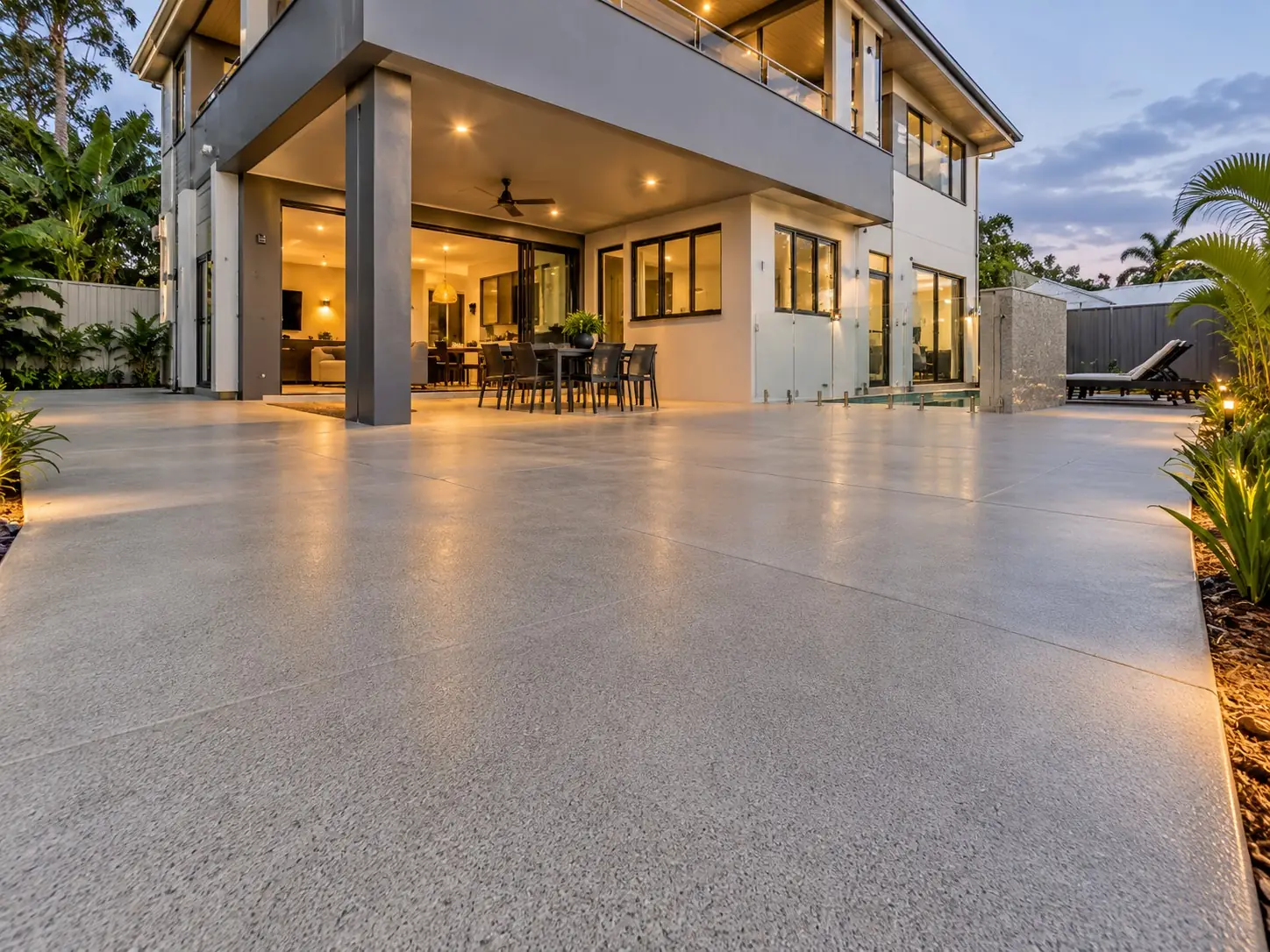
Want a whole new look for your concrete?
Send us photos of your slab and tell us the finish you are picturing.